
API's
Active Pharmaceutical Ingredients
Active Pharmaceutical Ingredients
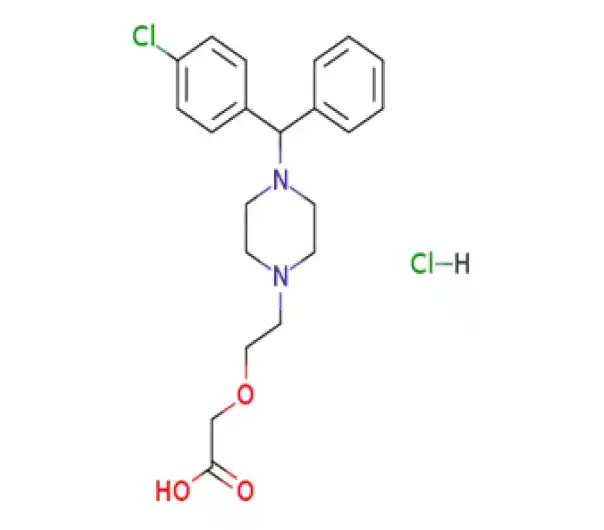
API
BP/USP
C21H27Cl3N2O3
2-(2-{4-[(4-chlorophenyl)(phenyl)methyl]piperazin-1-yl}ethoxy)acetic acid dihydrochloride
83881-52-1
461.81 g/mol
Diphenylmethanes
Histamine H1 Antagonists
| Appearance | White to off-white, crystalline powder |
|---|---|
| Solubility | Freely soluble in water, practically insoluble in acetone and in methylene chloride, solubility in ethanol is very low. |
| Melting point | 110–115°C |
| pH | 4.0 to 5.0 |
Cetirizine HCl, also commonly known as Zyrtec, is an orally active second-generation histamine H1 antagonist proven effective in the treatment of various allergic symptoms, such as sneezing, coughing, nasal congestion, hives, and other symptoms.
One of the most common uses for this drug is for a condition called allergic rhinitis. The prevalence of allergic rhinitis in the United States is about 15% according to physician diagnoses, and up to 30%, according to self-reported nasal symptoms. Allergic rhinitis is associated with multiple missed or unproductive days at work and school, problems with sleep, and other difficulties with day-to-day activities for many individuals.
Cetirizine, a metabolite of hydroxyzine, is an antihistamine drug. Its main effects are achieved through selective inhibition of peripheral H1 receptors. The antihistamine activity of cetirizine has been shown in a variety of animal and human models. In vivo and ex vivo animal models have shown insignificant anticholinergic and anti-serotonergic effects. In clinical studies, however, dry mouth was found to be more frequent with cetirizine than with a placebo. In vitro receptor binding studies have demonstrated no detectable affinity of cetirizine for histamine receptors other than the H1 receptors. Studies with radiolabeled cetirizine administration in the rat have demonstrated insignificant penetration into the brain. Ex vivo studies in the mouse have shown that systemically administered cetirizine does not occupy cerebral H1 receptors significantly.
| Attribute | Why Salius Pharma Is a Good Choice |
|---|---|
| Quality Certification | WHO-GMP, ISO 9001:2015, FDA-audited facilities |
| Affordability & Generic Access | Cost-competitive generics for global supply |
| Export Experience | Proven record of supplying globally |
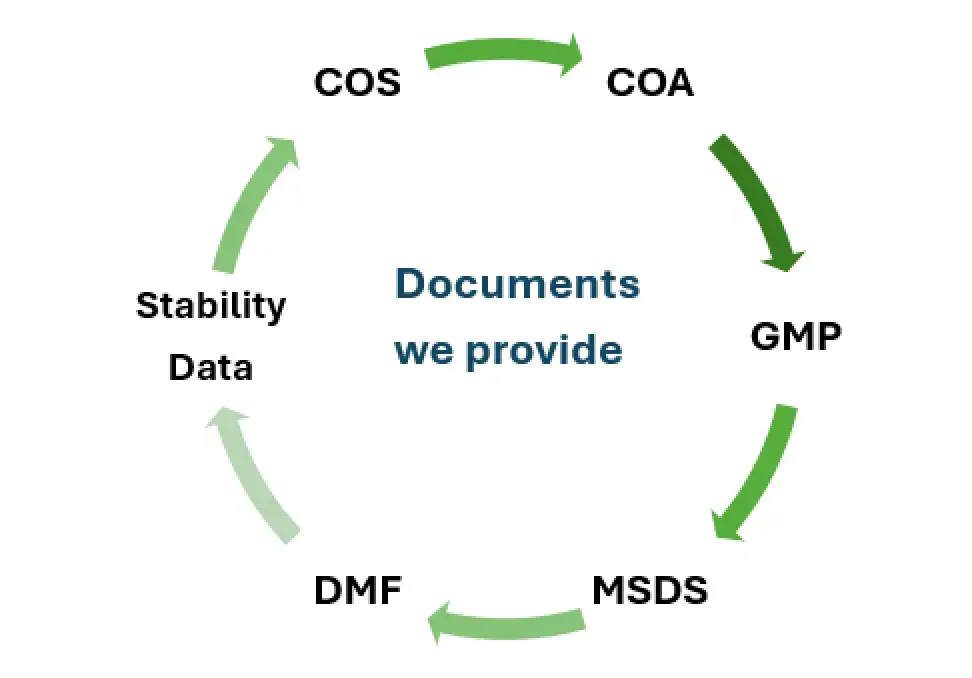
When you order from Salius Pharma, you receive more than just a product — you receive a complete, professionally prepared package that meets international regulatory and quality expectations.
We ensure prompt and reliable shipping worldwide. Delivery times vary depending on destination, order volume, and regulatory requirements.
7 to 21 business days from dispatch, depending on your location.
Cetirizine HCl is commonly used to treat allergic conditions such as allergic rhinitis (hay fever), chronic idiopathic urticaria (hives), and other symptoms related to seasonal or perennial allergies. It is widely used in respiratory and dermatological therapy, particularly for its antihistaminic effects.
Salius Pharma facilitates market entry by providing regulatory documents such as Drug Master Files (DMFs), Certificates of Analysis (CoAs), and CTD/eCTD dossiers, tailored to meet the requirements of authorities like PPB (Kenya), BPOM (Indonesia), DIGEMID (Peru), and SFDA (Saudi Arabia).
Prolonged use should be monitored, particularly in patients with renal or hepatic impairment, due to the potential for drug accumulation. While Cetirizine HCl is generally well tolerated, long-term use may result in reduced effectiveness or mild side effects such as drowsiness. Chronic use should be clinically justified and supervised by a healthcare provider.
Cetirizine HCl is a second-generation antihistamine that selectively inhibits peripheral H1 histamine receptors. This action helps relieve symptoms such as sneezing, itching, nasal congestion, and hives by preventing the effects of histamine released during allergic reactions. It causes minimal sedation due to limited penetration of the blood–brain barrier.
Common side effects include drowsiness, dry mouth, fatigue, and headache. Infrequently, gastrointestinal discomfort or hypersensitivity reactions such as rash may occur. Serious side effects are rare but may include allergic reactions requiring medical attention.
Looking to source Cetrizine HCl or other high-quality pharmaceutical products? We’re here to help. Whether you need Active Pharmaceutical Ingredients (APIs), finished formulations, or regulatory support, our team is ready to provide dependable, compliant, and cost-effective solutions tailored to your market needs.